Knowledge
Sourcing the Split: How North American Matcha Buyers Divide Their Grades
North American buyers are splitting procurement between premium Uji lots and high volume mechanized origins to protect margins.
By Leon Liang · reviewed by Grace Luo · October 5, 2026 · 2 min read
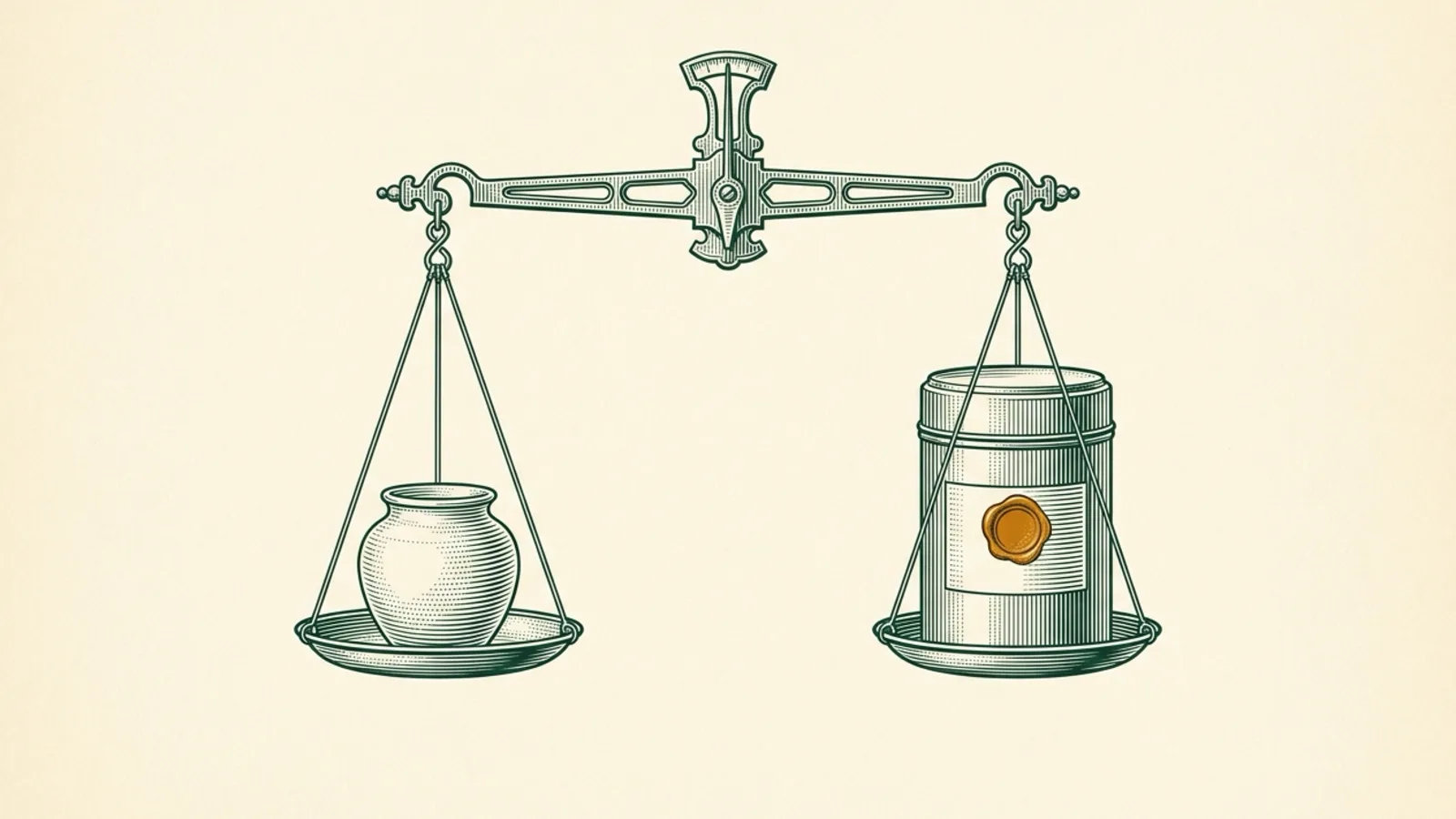
Many suppliers believe that North American café buyers only want the highest grade Uji matcha to remain competitive. This is a mistake. Most buyers now split their needs into two distinct categories.
The Uji Price Wall
Uji auction prices have hit record levels, sometimes exceeding 17,000 yen per kg [agy:1]. This is not a short term spike. It is a structural problem caused by an aging farmer population and a 24 percent loss in tea acreage since 2010 [agy:1].
The Procurement Split
North American buyers now use a bifurcated procurement strategy [agy:3]. They reserve expensive ceremonial grade matcha only for standalone water whisked service [agy:3].
For everything else, they use latte grade or culinary blends [agy:3]. This shift happens because cold beverages, such as those with flavored foams or espresso shots, now drive the most sales [agy:2]. These drinks generate gross margins of 70 to 80 percent per cup, but they require ingredients that are stable and soluble in milk [agy:2].
Easterlies view.
Suppliers who try to sell only premium ceremonial grade to café chains often lose contracts to those who offer stable, high solubility culinary blends.
Shifting Origins
To avoid price shocks, commercial buyers are moving large volume contracts to Kagoshima and Shizuoka [agy:3]. These regions use mechanized farming and are 20 to 30 percent cheaper than Uji lots [agy:3].
For industrial applications, such as ready to drink cans or commercial bakery, Chinese matcha from Guizhou and Zhejiang is the primary choice [agy:4]. China produces about 70 percent of global matcha volume, offering prices 30 to 60 percent lower than Japanese options [agy:4].
Compliance Rules
Regardless of the grade, all imports must meet safety rules [agy:5]. The U.S. FDA focuses heavily on pesticide residues because matcha involves eating the whole leaf [agy:5]. Shipments that exceed limits face detention under Import Alert 99-08 [agy:5]. Suppliers must provide accredited third party Certificates of Analysis for each batch [agy:5].
Next Step
Review your product catalog. Separate your offers into a premium ceremonial line and a high volume latte line with different pricing and origin stories to match these two buyer tiers.
About Easterlies
We built Easterlies to carry matcha from producer to wholesale buyer. The same bilingual team still helps tea and food businesses navigate the Pacific.
Request samples