Knowledge
Functional Blends and US Customs
Adding adaptogens can change how the US classifies your tea. Learn why botanical blends move from agricultural rules to supplement laws.
By Leon Liang · reviewed by Grace Luo · October 12, 2026 · 1 min read
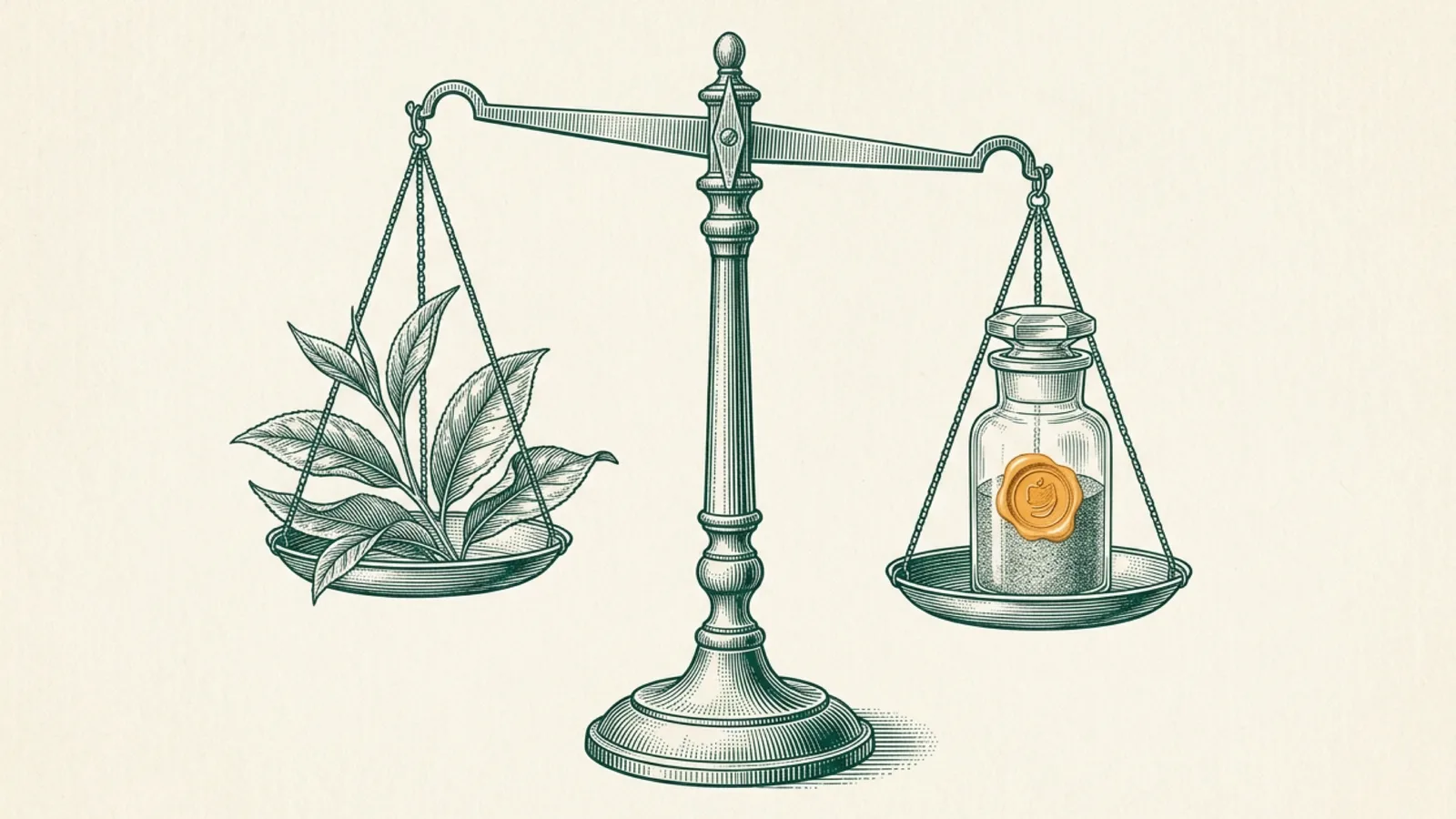
Many suppliers think adding a botanical extract to matcha is just a product update. They assume the shipment is still classified as tea by US Customs. This is a mistake.
The Rise of Functional Tea
Consumer interest in functional and non-coffee beverages is growing [deerflow:1]. For example, cafés in Denver now use matcha drinks mixed with adaptogenic ingredients [deerflow:1].
Commodity or Supplement?
Pure matcha is an agricultural commodity. When you add adaptogens or botanical powders, the product may cross a regulatory line. This shift changes the HS classification of the goods.
If a product is classified as a supplement instead of tea, it follows different rules. You may need to use New Dietary Ingredient (NDI) pathways instead of standard agricultural rules.
Documentation and Claims
Supplements need different export documents than loose leaf tea. You must provide different customs valuation bases. You also need specific claim substantiation to avoid FDA refusals.
Easterlies view.
Suppliers often miss the fact that a small recipe change can change the entire legal category of a shipment. A product that looks like tea to a buyer might look like an unregulated drug to a customs agent.
Practical Next Step
Review your ingredient list for botanical additions. Check if those ingredients are listed as New Dietary Ingredients by the FDA before you ship.
About Easterlies
We built Easterlies to carry matcha from producer to wholesale buyer. The same bilingual team still helps tea and food businesses navigate the Pacific.
Request samples